Why Your Nails Peel in Winter and What to Do About It
If your nails flake, split, or peel every winter, you’re not alone. Toronto’s cold air, hot indoor heating, salt, and extra hand-washing are a perfect storm for weak nails. The good news: most peeling is reversible with focused, simple care and a few habit changes. Below is a clear explanation of why it happens, how to fix it fast, and what to do for longer-term strength.
Quick summary (read in 30 seconds)
Nails peel in winter because they’re repeatedly dried and re-wetted, exposed to harsh detergents/sanitizers, and often nutritionally or structurally stressed. Fix it by sealing in moisture (cuticle oil + occlusion), protecting from water/chemicals (gloves), reducing damaging salon habits, and addressing any medical causes if it doesn’t improve. Expect visible improvement in 4–8 weeks; full nail regrowth takes months.
Why nails peel in winter
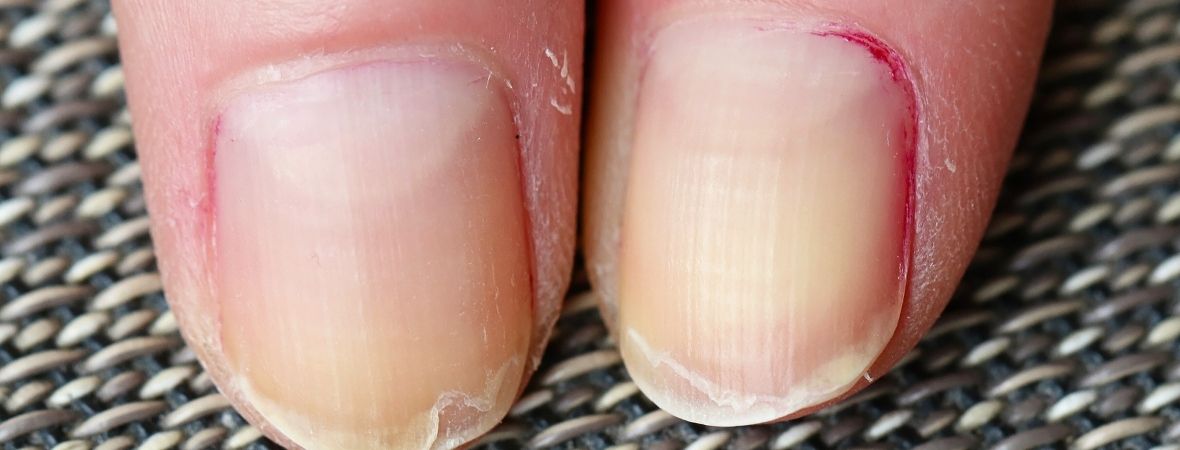
Peeling nails (called onychoschizia) happens when the layers of the nail plate separate. Common, overlapping triggers in Toronto winters:
Low humidity + indoor heating: dries both skin and nail plate, making layers brittle.
Frequent wet–dry cycles: washing hands, shoveling, or dipping in water causes the nail to swell then shrink, which separates layers.
Harsh cleansers & alcohol sanitizers: remove oils from the nail and cuticle.
Salt & road grit: chips off the nail edges and dries surrounding skin.
Cosmetic trauma: aggressive filing, acrylics/gel removal (especially acetone + scraping), or picking at polish.
Nutritional or medical issues: low iron, low zinc, thyroid problems, or chronic eczema can make nails weak.
Aging and genetics: some people have thinner, more delamination-prone nails naturally.
How to tell if it’s simple peeling vs something that needs a doctor
See a clinician if you have any of these with peeling:
Nail discoloration (yellow/green/black) or thickening.
Pain, pus, or separation from the nail bed.
Multiple nails with rapidly worsening changes despite care.
Other systemic symptoms: fatigue, hair loss, cold intolerance (could suggest thyroid or iron problems).
If those are absent, the cause is most often external and fixable at home.
A practical 4-week repair plan
Daily (every morning + evening)
Cuticle oil, every night - choose jojoba, vitamin E, argan, or a targeted nail oil. Massage 2–3 drops into each nail for 30–60 seconds.
Hand cream after every wash - a cream with glycerin, ceramides or urea (2–5%) is ideal. Apply while hands are slightly damp.
Avoid acetone - use non-acetone remover and limit removals to once a week if possible.
During the day
Wear gloves for chores - cotton glove under a waterproof glove for detergent work (dishes, cleaning). Wear warm gloves outside to prevent chipping from cold + grit.
Minimize hand sanitizer - favour soap and water when available; use sanitizer with added emollients when you must.
Weekly treatments (2–3× per week)
Strengthening base coat - use a protein-based or hydrolyzed-keratin base (not harsh “hardeners” with repeated formaldehyde). Apply per product directions.
Overnight occlusion once a week - after oil + cream, wear cotton gloves overnight (or a thin disposable glove) to lock moisture in.
Skip aggressive gel/acrylic removal - insist your tech soak and file gently; no forceful scraping.
Rest between gel sets — give nails a 2–4 week break between long-term gel/acrylic use.
Best products / ingredients to look for (types, not brands)
Cuticle oil: jojoba, argan, vitamin E, or almond oil.
Daily hand cream: glycerin, ceramides, petrolatum for barrier repair; urea 2–5% if very dry.
Nail strengthener: hydrolyzed keratin or protein formulas (avoid repeated formaldehyde hardeners).
Polish remover: non-acetone (ethyl acetate) - gentler on nail plate.
Overnight occlusive: plain petrolatum (Vaseline) under cotton glove works very well and is cheap.
Nutrition & supplements - what actually helps
Diet matters but is rarely the only fix. Consider these steps:
Check iron and thyroid if peeling persists - low iron or hypothyroidism commonly show in nail changes. Ask your GP for blood tests (CBC, ferritin, TSH).
Biotin can help brittle nails in some people. Clinical regimens commonly use a daily oral dose (talk to your clinician first, especially if you have labs or med interactions).
Eat varied protein and zinc-rich foods - eggs, meat, beans, nuts, dairy - to supply the building blocks for healthy nails.
Quick fixes you can do right now (in 5 minutes)
Rub a small amount of olive oil or cuticle oil into nails and rub until absorbed.
Apply a thick hand cream, then a tiny bit of petrolatum over fingertips for instant softening.
Put on cotton gloves for 30 minutes while watching TV - instant moisture boost.
Timeline - what to expect
48–72 hours: less visible dryness and fewer surface flakes with consistent moisturization.
2–6 weeks: edges stop splitting; nails feel stronger.
3–6 months: full visible recovery depending on how badly the nail plate was affected (fingernails grow ~3 mm/month).
48–72 hours
2–6 weeks
3–6 months
If you don’t see gradual improvement within 6–8 weeks, re-check your routine and consider medical testing.
Common mistakes that slow healing
Soaking nails for long periods (dishwashing without gloves).
Sanding/filing aggressively across layers (file gently in one direction).
Heavy use of acetone or constant gel removal.
Overuse of “hardener” products containing formaldehyde - they can make nails brittle long-term.
Ignoring medical causes (iron deficiency, thyroid issues, eczema).
Toronto-specific tips
Carry a travel-sized cuticle oil in your bag - cold subway air + heated buildings strip oils fast.
After shoveling or salt exposure, wash gently then reapply a thick cream and oil - salt dries and abrades.
Use a humidifier at home during the colder months - it helps skin and nails simultaneously.
When to see a specialist
Book a dermatologist or a family doctor if you have: persistent peeling despite care, signs of infection, thickening/discoloration, or systemic symptoms. A clinic visit can rule out fungal infection, psoriasis, or nutritional deficiency and get targeted treatment started.
Winter peeling is fixable
Winter peeling is usually fixable with consistent protection and moisture. Focus on cuticle oil + occlusion, glove protection, gentle salon habits, and basic nutrition. Follow the 4-week plan above - most people see real improvement in a month and solid recovery by 3–6 months. Give your nails the care they deserve - visit Deco De Mode Toronto Beauty Salon.
How Often Should You Get a Facial? A Toronto Skin Guide