


I'm looking to book at
We now have 2 locations to serve you:
We now have 2 locations to serve you:
Visible pores and bumpy texture are one of the most common complaints we hear at Deco De Mode.
Your pores can become more noticeable after acne, with age, or because your skin leans oily, and there are sensible, evidence-based ways to make them look smaller and to smooth the skin’s surface - from home care to professional resurfacing and collagen-building treatments.
Pores are tiny openings for hair follicles and oil glands. When they’re clogged, stretched by excess oil, or the surrounding skin loses elasticity, pores become more visible and the skin looks uneven.
This is different from acne scarring - enlarged pores are usually shallow and respond to resurfacing and collagen-stimulating treatments.

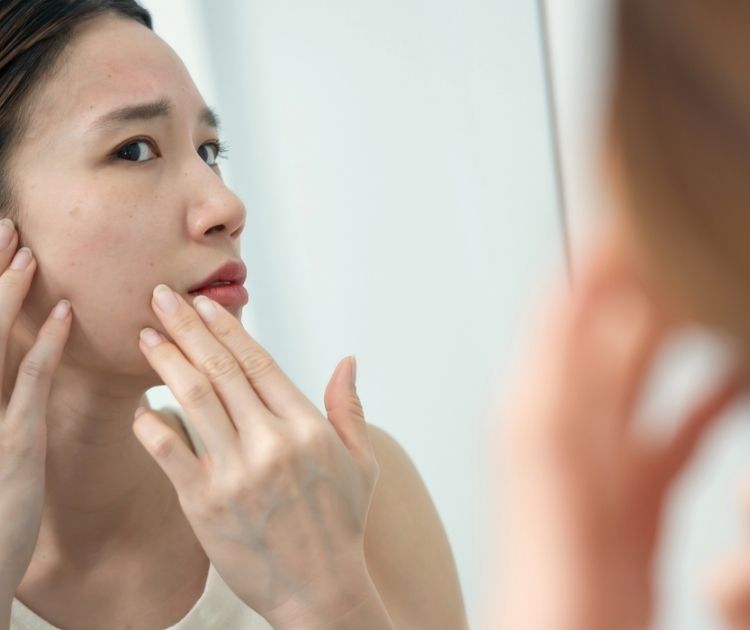
Short answer: you can’t change the genetic size of a pore, but you can make them much less noticeable.
Treatments and consistent home care reduce oil/clogging, smooth the skin surface, and - critically - stimulate collagen so the skin around pores sits tighter and pores appear smaller. Setting expectations first is important.
Common causes:
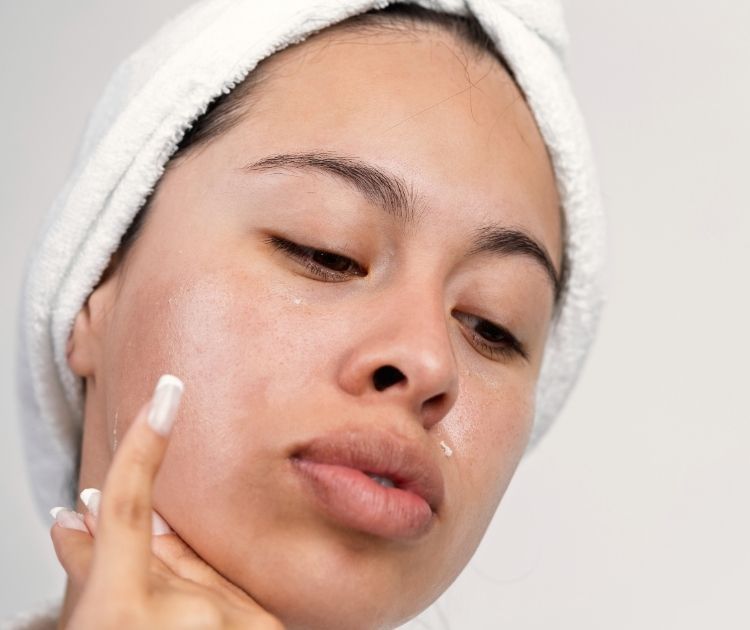
Not every facial treatment improves pore appearance. The options below are the ones we use at Deco De Mode when enlarged pores and uneven texture are the primary concern:
Microneedling
One of the most effective treatments for visible pores. Microneedling stimulates collagen production, which helps firm the skin around pores so they appear smaller and smoother over time.
Fire & Ice Peel
A clinical resurfacing peel that accelerates cell turnover, clears pore congestion, and smooths uneven texture.
HydraFacial MD (supportive treatment)
While not a pore-shrinking treatment on its own, HydraFacial helps keep pores clear and skin balanced. It works best as a maintenance treatment.
